
Heavy Zinc Phosphate

‘Bringing New Ideas To The Surface’
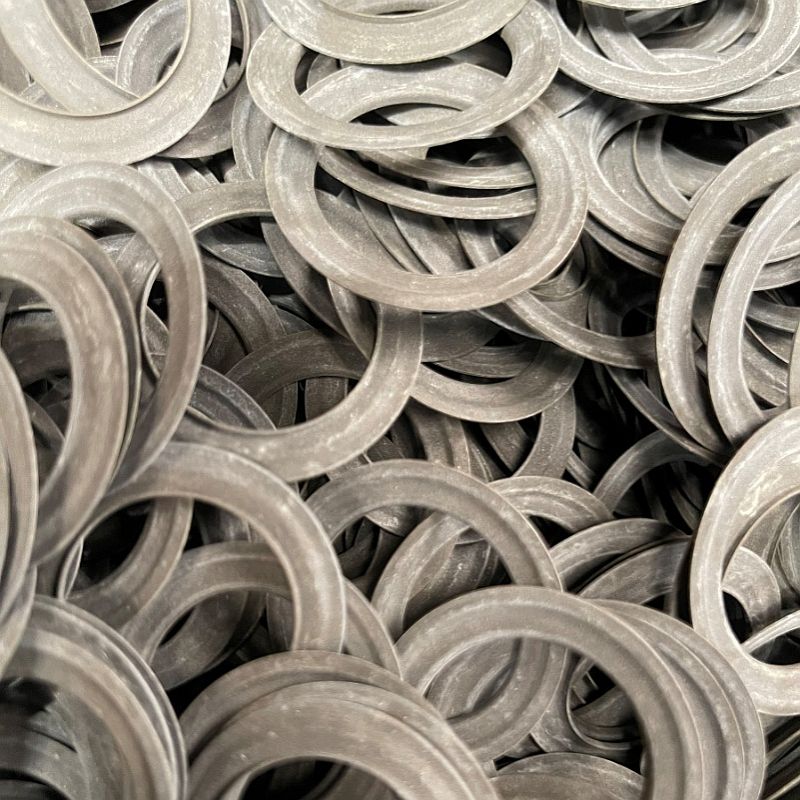
Heavy Zinc Phosphate coating is a dense, thick, and highly crystalline conversion coating applied to ferrous metals (iron, carbon steel, low-alloy steel, and cast parts) primarily for long-term corrosion protection and oil retention.
Unlike lighter phosphate coatings that act as paint bases, heavy zinc phosphate creates a coarser, “crystal-upon-crystal” structural layer designed to function in unpainted, heavy-duty industrial or oily environments.
High-Performance Protection for Demanding Applications
While the coating is dense, it remains inherently porous on a microscopic scale.
This topography is ideal for capillary action, allowing it to readily absorb and tightly retain rust-preventative oils, lubricants, and waxes.
Heavy zinc phosphating is widely used in automotive, military, and heavy industrial settings for components exposed to severe environments:
- Fasteners & Threaded Components: Bolts, screws, nuts, and studs to prevent galling, control friction, and resist atmospheric rust.
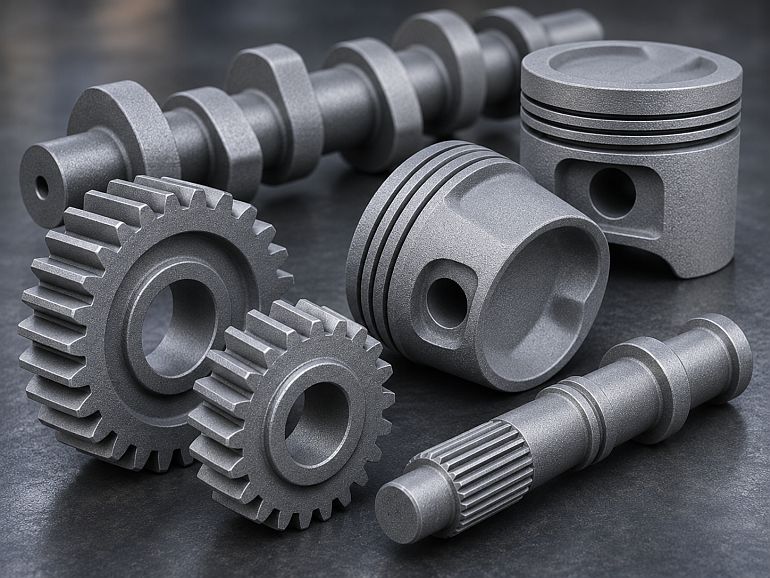
- Automotive & Powertrain Parts: Gears, pistons, cams, and shafts operating within oiled environments.
- Heavy Equipment: Weapon components, hydraulic blocks, and pipe fittings.
Technical Specifications
- Appearance & Microstructure: Exhibits a matte dark-grey to charcoal-grey finish. Viewed under a scanning electron microscope (SEM), the surface consists of an overlapping, porous network of large, needle-like or plate-like zinc phosphate crystals.
- Coating Weight: It yields exceptionally heavy coating weights, typically ranging from 1,000 to 3,500 mg/ft² (approximately 11 to 38 g/m²). By comparison, standard iron paint-base pre-treatments only range from 30 to 80 mg/ft².
- Thickness: Usually ranges from 0.1 to over 2 mils depending on bath immersion parameters. Often processed under military and industrial quality benchmarks, such as MIL-DTL-16232 Type Z Class 1 & 2.